A relocating buyer touring River Run last month asked me why one listing on Reflection Rock Court was priced at $809,900 while a home two streets over on Bally Bunnion Way was asking $1,900,000. Same neighborhood name. Same country club decal on both mailboxes. Same golf course view from the back windows of at least one of them. The question wasn't really about square footage. It was about what "River Run" actually means when it shows up on a listing.
The honest answer is that River Run isn't one market. It's four, stitched together under a single HOA and a single country club membership, and the price tag on any given home depends far more on which section it sits in than on the neighborhood name attached to it.
Same Name, Four Different Markets
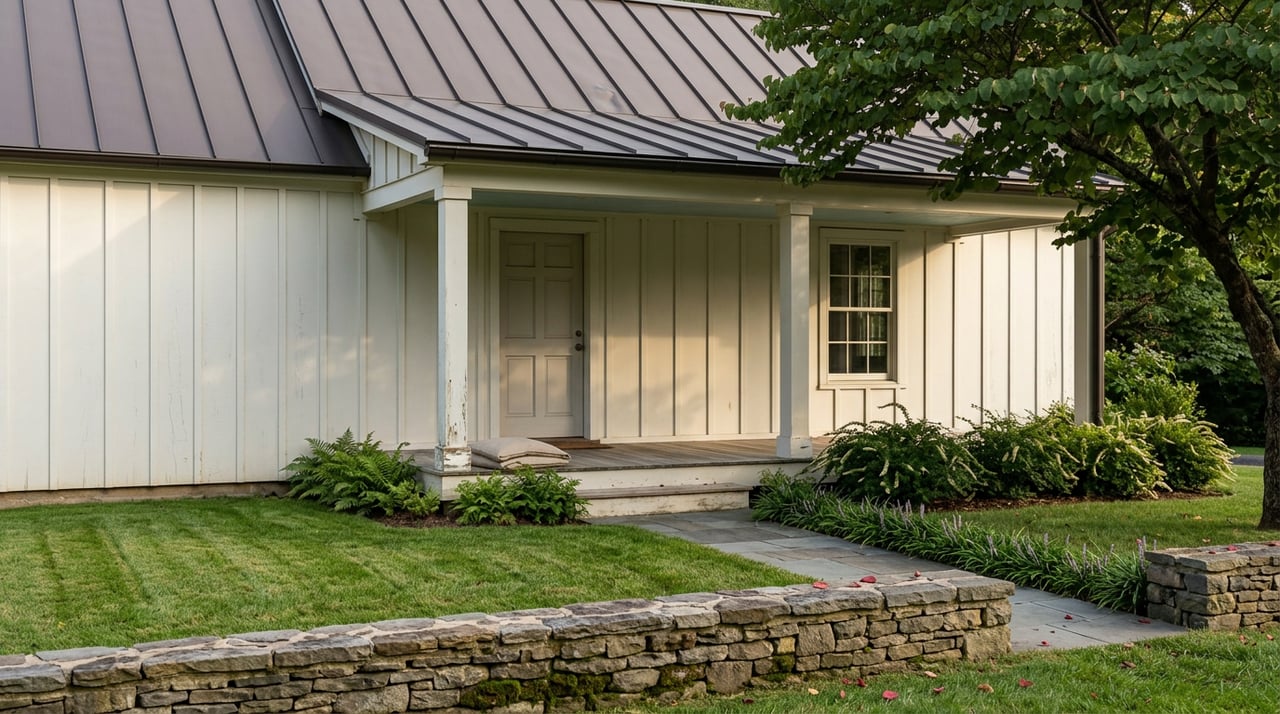
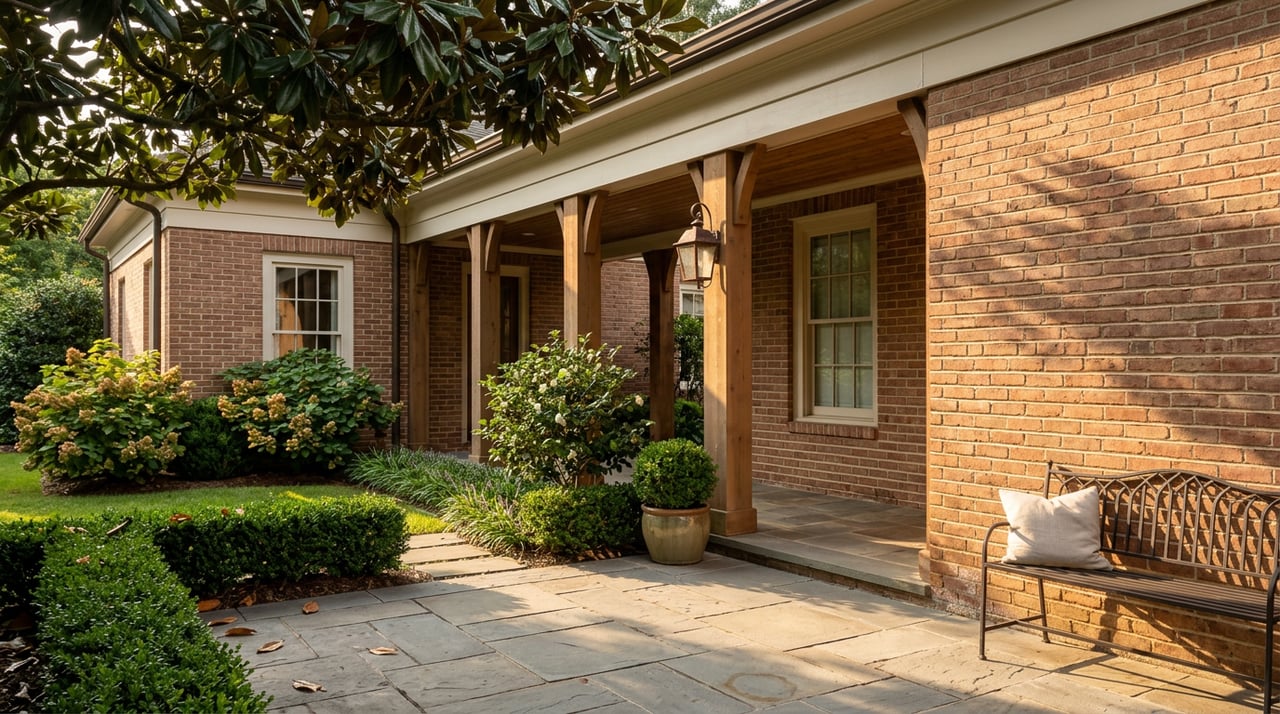
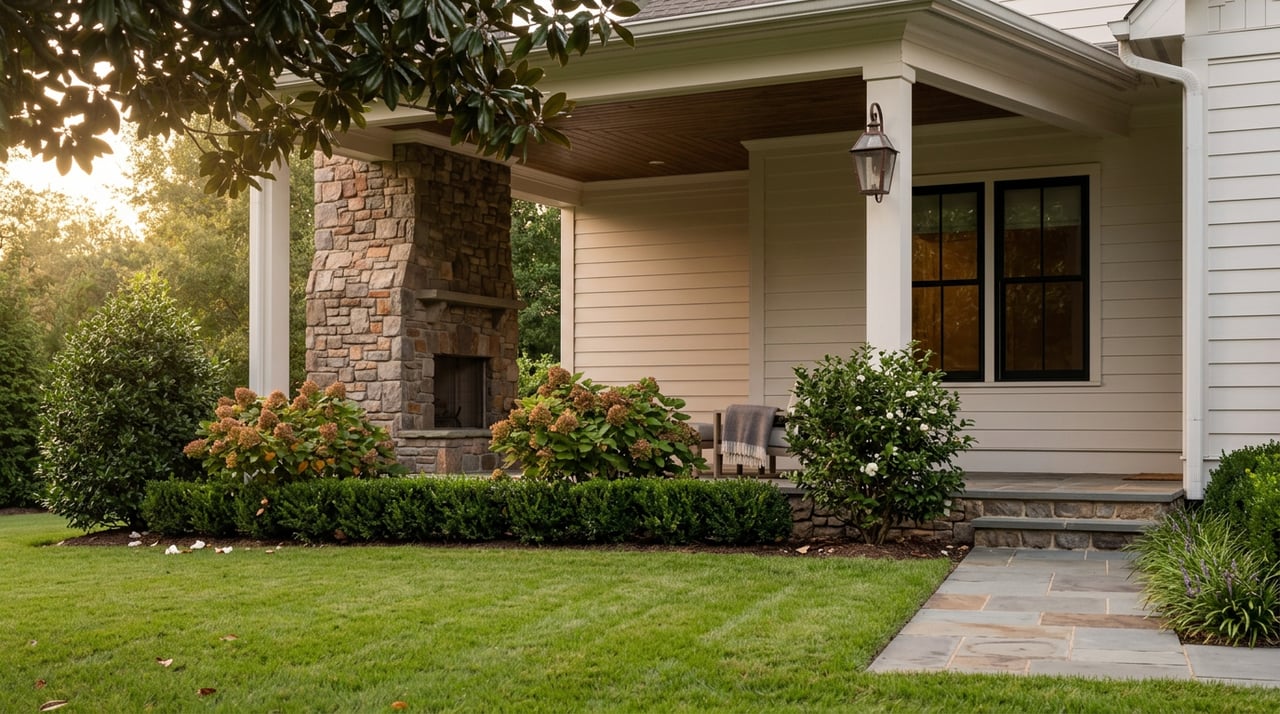
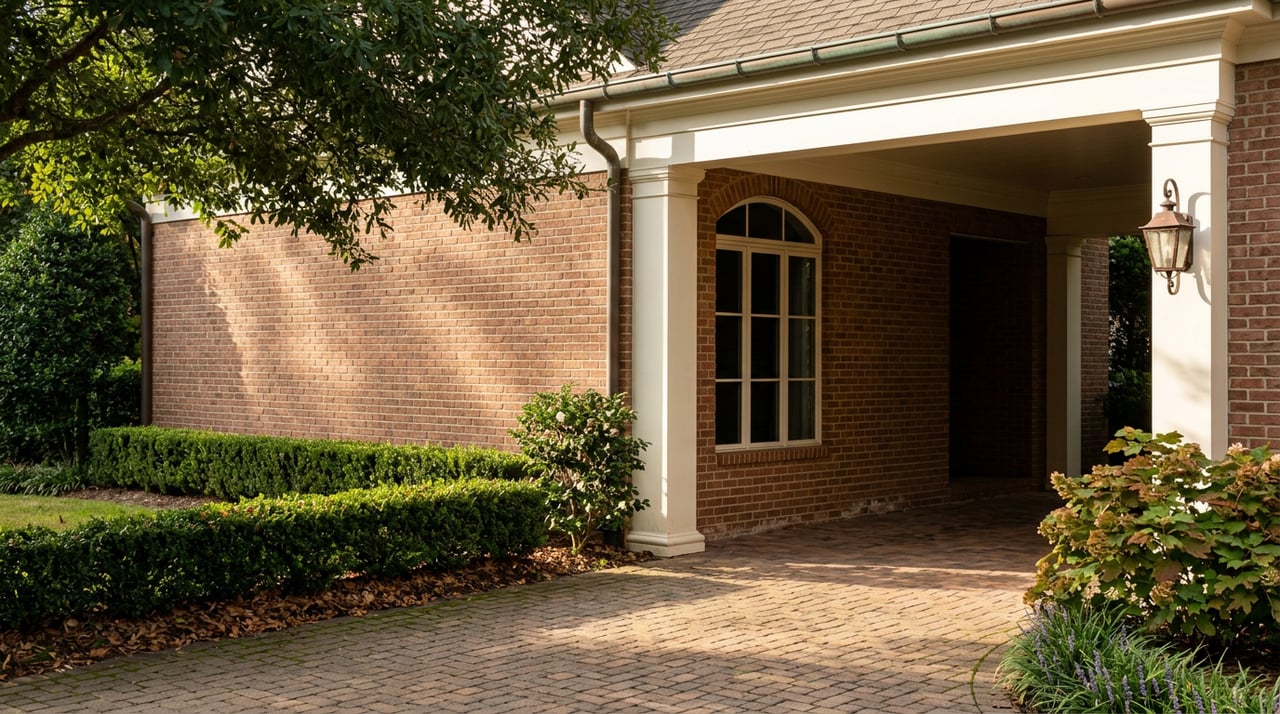
River Run was built out gradually starting in the early 1990s, and that gradual build-out is the whole story. The original core, built mostly between 1990 and 2008, trades in the high $600s to $900s today. Newer satellite phases, developed on land added to the community later, carry new construction pricing in the $800s to $1M range. A smaller patio home subsection trades yard maintenance for higher monthly dues, appealing to owners who want the club lifestyle without the upkeep. And a section of smaller lots on the neighborhood's edge, largely overlooked by buyers scanning median prices, runs in the $400s to $500s.
MLS activity as of early August 2026 shows exactly this spread inside one HOA: a 4-bedroom, 2,800-square-foot home listed at $809,900, a 5-bedroom under contract at $1,175,000, and a 6-bedroom, 6,715-square-foot estate listed at $1,900,000, all carrying the River Run subdivision name in the same data pull.
If you're comparing River Run to another Lake Norman golf community using a single median number, you're comparing an average of four different products. The number tells you almost nothing about which one you'd actually be buying.
| Section | Typical Era | Price Band | What You're Paying For |
|---|---|---|---|
| Original core | 1990 to 2008 | High $600s to $900s | Established lots, mature landscaping, resale character |
| Newer satellite phases | Recent construction | $800s to $1M+ | New builds, modern floor plans, larger footprints |
| Patio home subsection | Mixed | Comparable base price, higher dues | Included yard maintenance, lower-touch ownership |
| Edge lots | Older stock | $400s to $500s | Smaller lots, entry point into the same club access |
What the Country Club Doesn't Distinguish
Here's the part that surprises most relocating buyers: the country club membership doesn't care which of these four sections you bought into. Every owner has the same eligibility for River Run Country Club, home to an 18-hole championship course designed by Robert Walker and Ray Floyd that also hosts the Davidson College golf team. Members share access to the same three dining venues, tennis facilities, and pool and fitness complex regardless of whether their home cost $450,000 or $1.9 million.
That matters for how you should think about value. A buyer in the edge-lot section isn't getting a diminished version of River Run's lifestyle. They're getting the identical club access at a meaningfully lower entry price, which is either the smartest buy in the neighborhood or evidence that the club membership itself, not the house, is doing most of the work in justifying River Run's premium over other Davidson subdivisions. Both readings are defensible. Neither shows up if you only look at the median.
Why the City-Wide Median Is the Wrong Number to Anchor On
Zoom out to Davidson as a whole and you'll find a version of the same puzzle. Over the three months ending in May 2026, the city-wide median sale price came in at $685,000, down roughly 2 percent from the same period a year earlier, with homes taking about 63 days to sell compared to 48 days the year before. Read in isolation, that looks like softening demand.
But price per square foot over the same window moved in the opposite direction, rising more than 5 percent year over year. A falling median alongside a rising per-square-foot number isn't really a story about Davidson losing value. It's a story about which homes happened to close. When more entry-tier and older resale inventory transacts in a given quarter, the median drops even though the underlying value of comparable square footage is holding or climbing.
This is the exact mechanism playing out inside River Run's four sections. If the edge-lot homes and older core resales move faster in a given month, the neighborhood's average sale price looks softer than it actually is for anyone shopping the newer phases or the larger custom builds. The median is a blend. Blends hide the thing you actually need to know, which is what a specific type of home in a specific section is doing.
The Greenway Variable
One more factor separates comparably priced homes inside River Run that a median price will never capture: proximity to the Southeast Greenway, a 2.8-mile trail connecting the neighborhood to downtown Davidson. A home in the original core two blocks from a greenway access point offers a walkable or bikeable link to Main Street that a similarly priced home in a more isolated pocket of the same section does not.
This is the kind of detail that never appears in a portal's price-per-square-foot calculation but shows up immediately in daily life. A relocating buyer comparing two $850,000 homes in River Run should be asking about greenway distance with the same seriousness they'd apply to lot size, because it changes how the property actually gets used.
Before You Compare Listings, Ask This
If you're weighing a River Run listing against something in Cornelius, Mooresville, or Huntersville, four questions will tell you more than the sticker price:
- Which section and build era is this home actually in, and does that match the era the seller's comparables are drawing from?
- Are the HOA dues the standard structure, or the higher patio home tier that includes maintenance?
- How far is the home from the Southeast Greenway access point, and does that distance match how the household intends to use it?
- Is the neighborhood-level median you're seeing skewed by a run of entry-tier resales, or does it reflect the section you're actually considering?
None of these questions require a spreadsheet. They require knowing that "River Run" on a listing sheet is shorthand for a neighborhood with real internal variation, not a single, uniform product.
If you're comparing golf and lake communities across the Lake Norman corridor and want a clearer read on what a specific listing's price actually reflects, Marzia Mazzotti can walk through the section-by-section differences with you before you tour a single home.